
Losing a tooth can affect more than just the appearance of your smile. You may struggle to chew certain foods or feel uncomfortable speaking in public. Dental implants offer a stable option for replacing teeth and restoring everyday oral function. However, not everyone has the same needs or qualifies for treatment right away. Your gum condition, jawbone strength, and general health all influence the final decision. Understanding these factors can help you explore your options with greater confidence and clarity.
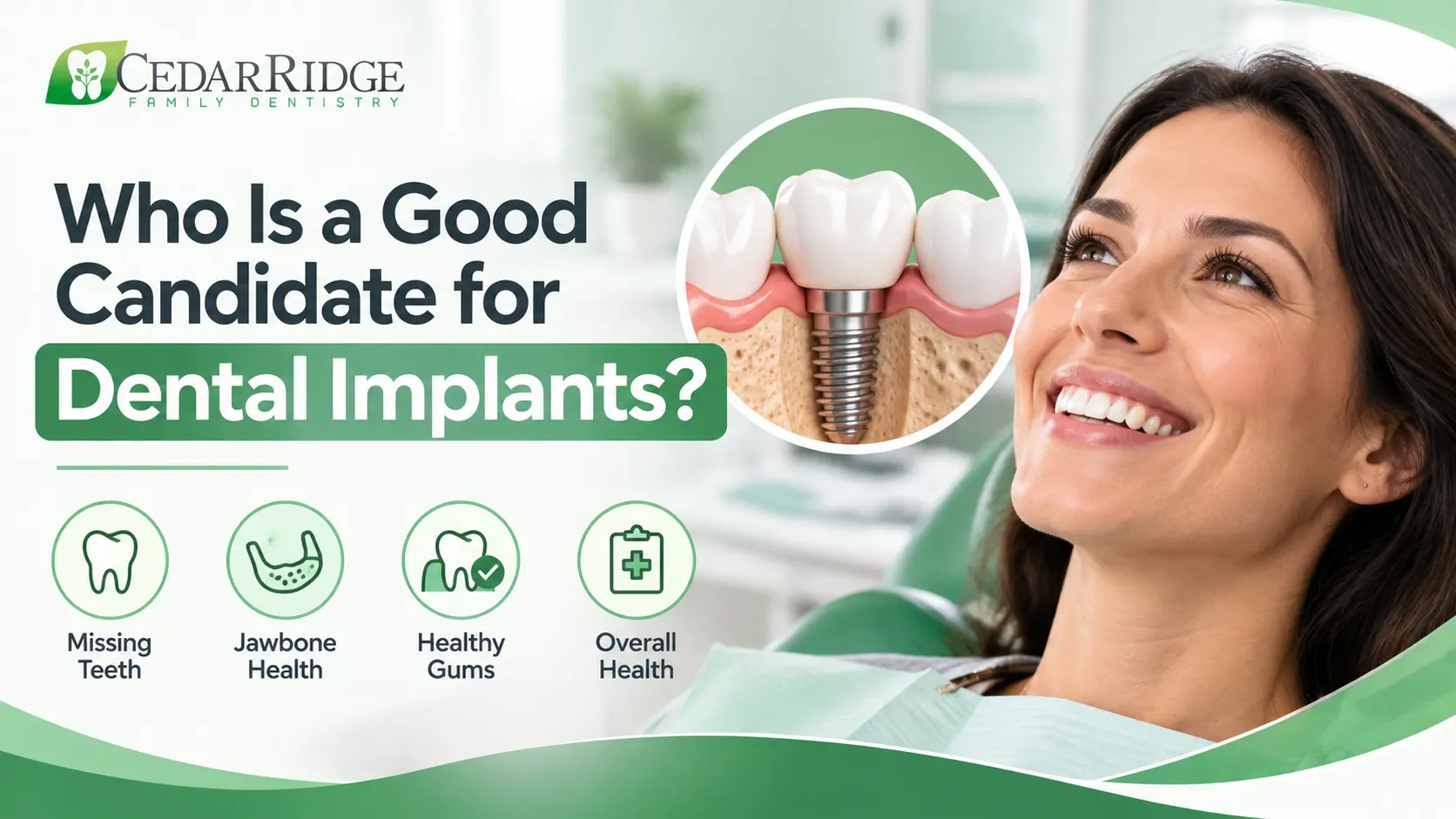
Who Can Benefit From Dental Implants?
Dental implants replace missing tooth roots with small posts that support artificial teeth. Unlike removable dentures, these replacements stay firmly in place during normal daily activities. They can improve chewing comfort without depending on neighbouring teeth for direct support. However, a dentist must assess your oral health before recommending this treatment option.
People With One or More Missing Teeth
You may qualify for dental implants if you have lost one or several teeth. Tooth loss can happen because of severe decay, gum disease, accidents, or extractions. A single implant can support one replacement tooth without altering healthy neighbouring teeth. Meanwhile, several implants may support a bridge or help secure a removable denture.
People who find traditional dentures uncomfortable may also benefit from implant-supported treatment options. However, the number of missing teeth does not determine your eligibility by itself. Your dentist will consider the available space, bite alignment, and condition of surrounding tissues.
What Makes Someone a Good Dental Implant Candidate?
Successful implant treatment depends on a healthy foundation and careful long-term oral care. Two important factors include the supporting jawbone and the condition of your gums.
Enough Jawbone to Support an Implant
Your jawbone needs sufficient height, width, and strength to hold an implant securely. Unfortunately, the bone surrounding a missing tooth can gradually shrink after tooth loss. This change may make implant placement more difficult without additional preparation or treatment.
However, reduced bone volume does not always mean you cannot receive dental implants. Your dentist may recommend bone grafting to rebuild support in the affected area. A graft adds material that helps create a suitable foundation as healing progresses. Depending on your condition, this step may extend the overall treatment time significantly.
Dental imaging helps determine whether your existing bone can support the planned restoration safely.
Healthy Gums and Good Oral Hygiene
Healthy gums help protect the tissues surrounding an implant from infection and inflammation. Active gum disease can increase complications and threaten the stability of your restoration. Therefore, your dentist will check for bleeding, swelling, deep pockets, and other warning signs.
If you have periodontal disease, treatment should control the infection before implant placement. Regular brushing, cleaning between teeth, and professional checkups also support long-term oral health. Even after successful treatment, implants still need consistent care and regular dental monitoring.
How Health Conditions and Lifestyle Affect Implant Success
Your medical history and everyday habits can influence healing after dental implant surgery. Some conditions require additional planning, but they do not always prevent implant treatment.
Diabetes, Medications, and Other Medical Conditions
People with well-controlled diabetes may still qualify for dental implants after careful assessment. However, poorly controlled blood sugar can slow healing and increase the risk of complications. Your dentist may review recent blood sugar results and coordinate care with your physician.
Certain medications also require attention, especially drugs that affect bone healing or blood clotting. Previous radiation treatment involving the jaw may create additional concerns during surgical planning. Likewise, conditions affecting your immune system can influence the safest approach to treatment.
Always share your complete medical history and medication list during your initial consultation. Never stop prescribed medication without advice from the healthcare professional managing your condition.
Smoking and Its Effect on Healing
Smoking reduces the body’s ability to heal and increases the risk of implant failure. Tobacco use can also contribute to inflammation and infection around the supporting tissues. As a result, smokers may face more complications during recovery and long-term maintenance.
However, smoking does not automatically rule out treatment for every patient seeking implants. Your dentist will explain your individual risks and discuss steps to improve healing. Quitting smoking can support better oral health and improve your chances of recovery.
What Happens During a Dental Implant Assessment?
A dental implant consultation helps determine whether this treatment suits your specific oral needs. First, your dentist reviews your dental history, missing teeth, and overall health concerns. They also ask about your expectations, current discomfort, and previous tooth replacement experiences.
Next, a detailed examination checks your gums, remaining teeth, bite, and jaw condition. Dental X-rays help reveal bone levels and important structures beneath the gum surface. Sometimes, your dentist may recommend three-dimensional imaging for more detailed surgical planning and accuracy.
After reviewing these findings, your dentist explains suitable options and possible treatment risks. Your personal dental implant assessment can also help clarify the steps involved in replacing missing teeth.
You should discuss the expected healing period, total costs, and future maintenance requirements. Implant treatment often takes several months because the jawbone needs time to heal. Additional procedures, such as bone grafting, may make the process longer for some patients.
Before making your decision, ask for a clear treatment plan and estimated timeline. Understanding each stage helps you prepare financially and feel more comfortable with your choice.
When Should You Consider Alternatives to Dental Implants?
Dental implants are not always the most suitable option for replacing missing teeth. Your dentist may suggest alternatives when surgery presents concerns or treatment feels impractical.
A dental bridge can replace a missing tooth using support from nearby natural teeth. This option may suit patients who prefer fixed replacements without implant surgery. However, traditional bridges often require preparation of the supporting teeth before placement.
Removable dentures provide another solution for people who have lost several or all teeth. They generally involve less invasive treatment, although comfort and stability can vary between patients.
Cost, treatment time, personal preferences, and oral health should guide your final decision. If gum disease or another condition needs attention, your dentist may recommend delaying surgery. Ultimately, the best choice should balance comfort, function, safety, and your long-term goals.
Conclusion: Find Out Whether Dental Implants Are Right for You
Dental implant eligibility depends on much more than simply having one or more missing teeth. Your jawbone, gum health, medical history, and lifestyle all influence treatment suitability and outcomes. Fortunately, some concerns can improve with proper care and careful preparation before surgery. Cedar Ridge Dental offers personalized assessments to help patients explore suitable tooth replacement options. Schedule a consultation to understand your eligibility and choose a path toward comfortable chewing.
