
A damaged tooth can leave you wondering which dental treatment will protect your smile. Should you choose a simple filling, or does your tooth need a crown? Both treatments repair damage, but they serve different needs. A filling usually repairs a smaller area, while a crown covers more of a weakened tooth. However, cavity size alone does not settle the decision. Your dentist also checks remaining tooth structure, cracks, biting pressure, and long-term strength. Here is what to know before deciding between a dental crown and filling in Maple Ridge.
What Is a Dental Filling and When Do You Need One?
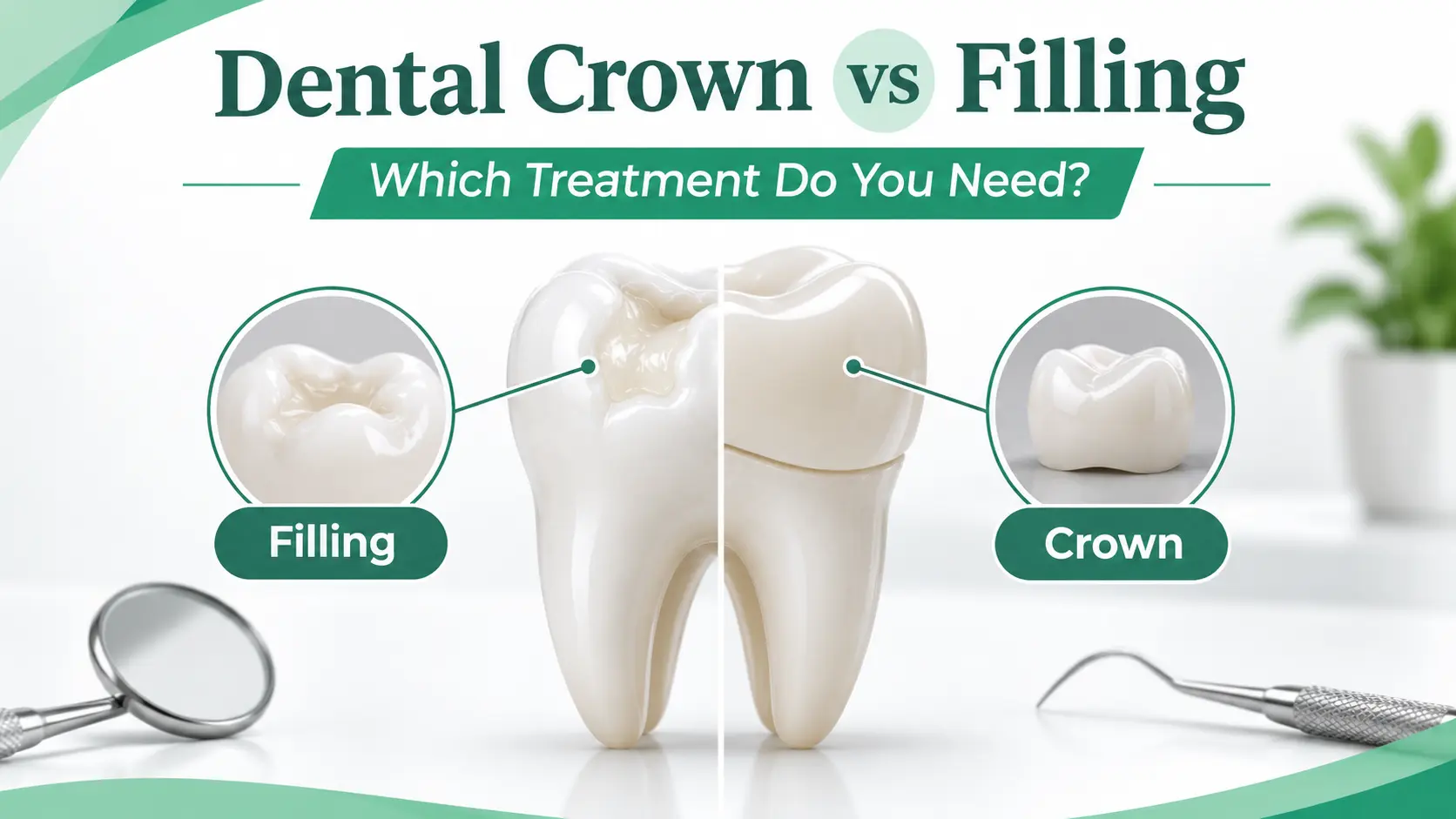
A dental filling replaces a small area of tooth structure lost to decay or damage. Your dentist removes the decay, cleans the space, and places a suitable restorative material. Tooth-coloured composite resin can match nearby enamel and restore a natural-looking chewing surface. Fillings often work well when enough strong tooth structure surrounds the damaged area. At Cedar Ridge Dental, dental fillings in Maple Ridge use mercury-free composite materials. Still, a large filling may not provide enough support for a badly weakened tooth. An examination helps your dentist decide whether a smaller repair makes sense.
What Is a Dental Crown and When Is It Necessary?
A dental crown is a custom cover that fits over the visible part of a tooth. It restores shape, helps spread biting forces, and protects weakened areas from further damage. Your dentist may recommend a crown after extensive decay, a large existing filling, or certain cracks. Teeth that have undergone root canal treatment sometimes need crowns for added protection. Cedar Ridge Dental offers dental crowns in Maple Ridge for teeth that need greater support. Your dentist considers your bite, remaining tooth structure, and the location of any damage. The goal is reliable function without removing more healthy tooth than necessary.
Dental Crown vs Filling: What Determines the Right Choice?
Cavity Size and Severity of Decay
Small cavities often need only fillings because they leave plenty of healthy enamel intact. Larger cavities can weaken the walls that support the tooth during chewing. If a filling would replace most of the chewing surface, a crown may offer better protection. Still, the dentist must assess each tooth rather than rely on cavity size alone.
Remaining Natural Tooth Structure
The amount of healthy tooth left matters as much as the size of the cavity. A tooth with solid surrounding walls may hold a filling securely for years. By contrast, thin or broken walls may crack when you chew hard foods. Your dentist checks whether those walls can support a filling or need broader coverage. Sometimes an onlay provides another option between a filling and a full crown.
Tooth Strength and Chewing Pressure
Back teeth carry heavy forces whenever you grind or chew food. Large fillings, worn enamel, and teeth grinding can increase the chance of further damage. A crown may help protect a weakened tooth by covering its chewing surface. However, a healthy tooth with minor decay rarely needs that much restoration. Your dentist weighs strength, bite pressure, and the benefits of keeping natural structure.
Can a Filling Fix a Cracked or Broken Tooth?
A small chip may need a filling or bonding when the remaining tooth stays strong. However, a crack that reaches deeper into the tooth needs careful evaluation. Some cracks cause sharp pain when you bite or release pressure. A crown can sometimes hold damaged sections together and reduce further stress. Yet a crown cannot save every cracked tooth, especially when a fracture extends below the gumline. Avoid chewing hard foods on a painful tooth until your dentist examines it.
Dental Crown vs Filling: How Does Each Procedure Work?
Dental Filling Treatment Process
First, your dentist examines the tooth and explains the recommended repair. They usually numb the area before removing decayed or damaged material. Next, they prepare the surface and place the filling in layers when appropriate. A curing light hardens composite resin, and the dentist shapes and polishes it. Finally, they check your bite to make sure the filling feels comfortable. Many routine fillings take one appointment, although complex cases can take longer.
Dental Crown Treatment Process
A crown usually involves more steps because it covers the tooth with a custom restoration. Your dentist removes decay and shapes the tooth to make room for the crown. They may take a scan or impression for the dental laboratory. A temporary crown can protect your tooth while the final crown is prepared. At a later visit, your dentist checks the fit, colour, and bite before placement. Your dentist will explain the plan that suits your tooth and restoration.
How Long Do Dental Crowns and Fillings Last?
Both treatments can last for years, but neither lasts forever. Many composite fillings last roughly five to ten years, sometimes longer with good care. Crowns often last ten to fifteen years or more, depending on several factors. Location, cavity size, bite force, grinding habits, and oral hygiene all affect durability. Regular dental exams help your dentist spot wear, leakage, or damage before problems grow. Brush twice daily with fluoride toothpaste and clean between your teeth. Also, avoid using your teeth to open packages or crack hard objects. A night guard may help if your dentist identifies harmful grinding.
Dental Crown vs Filling: Which Costs More?
A filling usually costs less upfront because it requires less material and laboratory work. A crown often costs more due to preparation, materials, and custom design. However, prices vary with tooth location, restoration size, and treatment complexity. Dental insurance may cover part of either procedure, depending on your benefits. Ask your dental office for a written estimate and an explanation of coverage. A cheaper repair is not always the better value if the tooth cannot support it. The best decision balances tooth health, durability, and your personal budget.
How Does Your Dentist Recommend the Right Treatment?
Your dentist starts with your symptoms, dental history, and a close look at the tooth. They may use X-rays to check decay between teeth or beneath an existing restoration. They also examine cracks, remaining enamel, gum health, and how your teeth meet. Then they explain whether a filling, crown, or another restoration offers a suitable solution. Ask why they recommend that option and what could happen without treatment. A good discussion should leave you comfortable with the reason behind the recommendation. Treatment should fit your tooth’s condition rather than follow a single rule.
Conclusion
Choosing between a dental crown and filling depends on more than the visible damage. Smaller cavities often suit fillings, while weaker teeth may benefit from crown coverage. Cracks, remaining tooth structure, chewing forces, and cost can also influence the choice. However, only a dental examination can identify the most suitable option for your situation. If you notice pain, sensitivity, or a broken tooth, do not delay care. Cedar Ridge Dental can assess your tooth and explain the available restorative options. Contact the Maple Ridge team to discuss an appointment and protect your smile.
