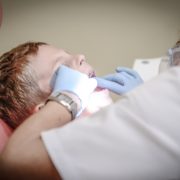
Child Dental Checkup Maple Ridge

Image © Matt Madd

If you are like most people, visiting the dentist every six months is not your favorite thing to do. Even though you don’t look forward to it, it is an appointment that you need to keep. If you have ever wondered why you need to go to the dentist for regular checkups and cleanings, there are excellent reasons.

Some people skip their regular dental visits because of the cost of the visit. Some avoid going to the dentist because they don’t have the time. Many people avoid going to the dentist because they are afraid of the dentist and they suffer from dental anxiety. If you fall into one of these categories, you should understand the risks of skipping your regular visits to the dentist. Avoiding seeing the dentist can result in severe problems that would require a great deal of dental treatment that is very expensive. There are several significant reasons why should make sure to see your dentist regularly.

#1 Detection of Oral Cancer

If caught in the early stages, oral cancer is very treatable. If it isn’t, it can be life-threatening. There are several symptoms of oral cancer, and they can all be difficult recognize unless you are a medical professional. Your dentist is highly trained to be able to identify the signs and symptoms of oral cancer. If you make it to your visits every six months and you have oral cancer, your dentist will be able to catch it in the early stages. When it comes to detecting abnormalities in your mouth that could be oral cancer, your dentist is the one who can do it.

Most dentists perform a VELscope Cancer exam if there is an abnormality in your mouth. It is a non-invasive, pain-free test that is usually covered by MSP. The test lasts just a minute or two, and it can catch any invisible signs of dead tissue in your mouth that are caused by tumors. If there is a tumor, they would be lit up by a special light that is placed in your mouth. Since this test is completely painless and takes very little time, you would be crazy not to see the dentist. This test can save your life.

#2 Cavities, Plaque, and Tartar

Regardless of how often and well that your brush and floss your teeth, there are areas of your mouth that you won’t be able to reach. When the plaque builds up on your teeth, it will be challenging and in some cases impossible to remove with your toothbrush and then it will turn into tartar. Unfortunately, tartar is very difficult to remove without professional help. You may call our dentists in Maple Ridge to book an appointment.

When you have your teeth cleaned regularly, it will keep the tartar from eroding the teeth and creating holes in them, also known as cavities. Cavities are sneaky, and they don’t give you a warning when they are going to occur. Typically, you will get a minor toothache, but only after the tooth is already decayed. When the damage is done, and you have cavities, you will need to have them filled. If the decay is severe, you would need a root canal or have the tooth extracted. Tooth decay can all be avoided if you go in for your regular dental cleanings to have the plaque and tartar removed before it causes any serious damage. In the long run, regular dental cleanings are much less expensive than a filling, a root canal, and an extraction.

#3 Gum Disease

Tartar and plaque buildup can do more than cause tooth decay. They can also erode the gum tissue in your mouth. If this happens, you can develop an infection in the area where the gum is connected to the tooth. This can cause the gum to pull away from the tooth. The disease is called gingivitis, and as it progresses, the tissue that attaches the teeth to the gums can break down. When the damage has reached this point, it is considered gum disease. It is at this stage that your gums will start to bleed, swell up, and feel sore. In severe cases, the gum disease can begin to break down the bone that holds your teeth in your mouth. At this point, your teeth can become loose, and they can even fall out. To treat the problem, you would need drastic dental treatment to repair the damage.

At this stage of the game, you would need to see a specialist, which can be expensive. The treatment of the problem can be more expensive. Depending on the severity of your condition, you could need an intense cleaning, medication, and even surgery. If you want to avoid all of these problems and the cost, you should make it a point to see the dentist every six months. If you have gum disease, your dentist will be able to catch it early on and then take action.

#4 Keeping Bad Habits In Check

There are plenty of bad habits that can hurt our oral health. There are things that you could be doing that aren’t even bad such as biting your nails, clenching your jaw, chewing on ice, drinking coffee or red wine, smoking, eating hard or sticky candy, and brushing your teeth too hard. At your regular dental visit, your dentist will be able to check for any damage that has been caused by your poor habits. When you are advised about your bad habits, you can try to stop before you cause any further damage to your teeth. Also, your dentist can treat any damage that has already been done by your bad habits.

#5 Problems Can Be Found Below the Surface Of the Teeth With X-Rays

When you see your dentist every six months, an x-ray of your teeth and jawbone will be taken. The x-ray will give the dentist an opportunity to see what is happening below the surface of the mouth. If any issues are not visible to the naked eye, they can be dealt with immediately. An example of this type of problem is an impacted tooth. This is a tooth that is trying to grow but is blocked by the gum line. This often occurs with wisdom teeth. An x-ray can also catch issues such as bone decay, cysts, tumors, and swelling that is impossible to see without the help of an x-ray. The sooner these problems are caught and treated, the better. The best way to be sure that you don’t have any underlying issues, you should make it a point to see your dentist every six months.

#6 Check of the Head, Neck, and Lymph Nodes

During a regular dental visit, your dentist will check your mouth, gums, and tongue for signs of oral cancer. Also, the dentist would check your jaw, neck, and lymph nodes that are located just below the jawline. If there is any swelling, lumps, or other abnormalities, they should be caught quickly. These are all potential signs of serious issues. If your dentist were to discover an abnormality, they would refer you to the appropriate specialist. If your lymph nodes are swollen, you likely won’t know it. Swollen lymph nodes don’t hurt, and you won’t notice anything out of the ordinary. Since swollen lymph nodes could be a sign of cancer or another serious disease, it is best if the problem is caught as soon as possible. It takes the dentist just a minute or two to check your lymph nodes, but it could save your life.

Are Regular Dental Checkups Worth the Effort?

Dentists are not only concerned with fixing your teeth. They are also concerned with cleaning your teeth, making sure that your teeth and gums are healthy, and they check for abnormalities that could go unnoticed until serious damage occurs. Your dentist will make sure that your jawbone is healthy and that you don’t have any bad oral habits.

You might think that skipping your dental appointments is not a big deal when in reality it could be hazardous to your health. When you see us at Cedar Ridge Dental in Maple Ridge every six months, you can be sure that your teeth are clean and your gums are healthy. Any underlying conditions will also be caught.

Safe Teeth Whitening Maple Ridge

White teeth are something that a lot of people around the globe want to have, but they are not sure if they should go ahead and attain it due to being nervous about the possible adverse effects that could result from chemicals used in teeth whitening techniques.

Minor Side-Effects

According to the American Dental Association (ADA), the active bleaching ingredient that is utilized in a great percentage of whitening products is carbamide peroxide. All the teeth whitening techniques that are on the market have been evaluated over the years. They have proven to provide results and be safe if used as directed. Even so, there could be minor side-effects on three areas: gums, teeth, and dental restorations.

Gums

The concentration of bleach that dentists used is usually higher than the bleach that is contained in over-the-counter methods. Dentists tend to utilize a bleaching lamp to boost the effectiveness of the bleach, allowing results to become more rapidly apparent.

If the bleach gets on the gums, irritation can occur. The potential irritation is greater when there is a higher bleach concentration present. Once the bleach is removed from the area, the irritation will begin to subside little by little.

At-home methods can be either a dentist prescribed system or an over-the-counter product. When it is a dentist prescribed system, it will consist of a mouthguard tray to hold bleach in place. Over-the-counter products consist of gels and strips.

Teeth

Tooth sensitivity is also a common side effect of bleach. People who have decay, fractured structures, and broken fillings are more susceptible to suffering from tooth sensitivity when undergoing teeth whitening. To prevent this type of issue from occurring, Alvin Layne, the cosmetic dentist in Broomfield that you begin to utilize a toothpaste for sensitive teeth one week before your bleaching, no matter if it is going to be at the dentist or if you are going to try an over-the-counter product.

Restorations

There has been a lot of talk suggesting that bleach can affect silver filling or dental amalgam, causing them to release mercury and thus being dangerous, but the Academy of General Dentistry (AGD) disagrees in this aspect. They assure that bleaching does not reflect a health matter, as it has been declared that dental amalgam is benign in its content of mercury. Bleaching will destroy neither implants nor crowns. In addition, white colour fillings can slightly whiten.

It Is Best to Opt for a Dentist

Even though bleaching services are offered at salons, cruise ships, and spas, it is always best to opt to have it done in a dental office setting, as a dentist can perform an exam to know if teeth whitening treatment is a good option for you, or if there are other matters that need to be solved first before undergoing it.

Teeth whitening is not a perfect practice, but it is one that is careful, especially if you opt for dentists in Maple Ridge, as he or she can provide you with the results that you want without risking safety in any aspect.

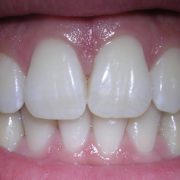
Teeth whitening results at Cedar Dental Maple Ridge

Cosmetic dentistry deals with the appearance of the teeth and a person’s smile. This field focuses on the art of dentistry, rather than health. Improving the appearance of a person’s smile may not seem like a lot of work, but it is, attention to detail and an understanding of the anatomy of the teeth is needed. A dentist may be able to communicate with lab technicians and others. It takes years of training to perform cosmetic dentistry to meet the standards of dentistry associations.

Cosmetic Dentistry

A cosmetic dentist will provide restorative work and create a smile that is truly a work of art. These dentists usually work with a professional organization. They also need to continue their education to keep their accreditations in this field.

Difference Between Cosmetic and Restorative Practices

While both dentists can use implants and crowns, they have a different focus. A cosmetic dentist wants to make the teeth function properly and improve their beauty as well. They need to pay attention to even the smallest detail. A cosmetic dentist will focus more on the appearance of the teeth and making sure that they are perfect.

Cosmetic Dentist Consultation

What to Expect

When talking to the dentist about your smile, tell them exactly what you want to change. You can bring pictures of the way your mouth used to look or how you want it to look. You may have missing teeth or teeth that are discolored. This can be a result of a more serious issue, so a comprehensive oral exam is going to be needed. The dentist and their patient should review a plan to get from the starting point to the ending point. They will discuss treatment options and develop a plan of action.

Cosmetic Treatment

All treatments are designed to improve the way the teeth look. Some of these treatments can install function of the teeth as well. These procedures can allow a person to have white teeth and a perfect looking smile they can be proud of.

Cosmetic Dentistry Includes:

Teeth Whitening– this is an excellent way to brighten a smile. There are many different products and methods. There are some at home treatments as well.

Composite Bonding – if the teeth are stained with resin or if the tooth is chipped this procedure can fix it. A little drilling of the tooth may be needed.

Porcelain and Composite Veneers- this will replace tooth enamel. The surfaces are hard, and they have the same colour as the natural tooth.

Porcelain Crowns- a crown can be placed over a tooth that is damaged. They look natural.

Porcelain Bridgework- this can be used to replace a tooth that is missing. It is attached to the tooth where the open space is.

Dental Implant- implants are made from titanium and can be used to replace the root of the tooth that is missing. It can be fitted and replace the entire tooth.

Inlays and Onlays- a filling made from porcelain or another material can be developed to match the color of the tooth. They are applied to the inside of the tooth and are known as inlays. If the filling is attached to the outside of the tooth it is the outlay.

Tooth Colored Filling – these fillings are not noticeable and are the same color as the tooth

Clear Orthodontic Aligners- adults and some teenagers prefer clear aligners over braces. These are just about invisible and cannot be noticed like the metal braces.

Cosmetic Gum Surgery- minor dental surgery can be used to reshape the gum tissue. This can be used to create a level appearance.

Tooth Contouring and Reshaping- a dentist can use a drill or now even a laser to reshape a tooth.

How to Select a Cosmetic Dentist

Before having cosmetic work done, be sure to select a dentist and make sure they are highly skilled. Also make sure they have experience performing the cosmetic procedure that you desire. A dentist should be able to provide before and after pictures of their work. They should also have clients that will provide a reference. Be sure that your dentist has taken the proper educational courses and continuing education classes to learn the proper techniques.

Our Maple Ridge Dentists here at Cedar Ridge Dental are highly experienced in any dental procedures. With over 15 yrs in Dentistry, we’ve managed to become the top-notch dental clinic here in Maple Ridge.

Healthy Teeth Hygiene Maple Ridge

Heart disease is one of the country’s top killers, and most people do not realize that there is a link between dental hygiene and heart disease. Gum disease, in particular, can increase the chances of developing heart disease according to research studies. Good dental hygiene and teeth cleaning needs to be a regular daily event, and with the help of your dental hygienist, you can prevent gum disease and cavities.

Your Dental Hygienist

Visits to the dental office usually involve meeting with both a dental hygienist as well as the dentist. The hygienist will examine your general dental health as well as clean and scale (scraping off buildup) your teeth. Visiting your hygienist every six months will allow you to maintain a healthy dental routine and regular cleanings.

What You Can Do

Dental hygienists will clean and scale your teeth every six months. However, it is your responsibility to keep up the care and cleaning in between. They will recommend regular practices and a routine for you to follow. Sticking to the plan strictly is the best way to protect your teeth and gums. In the event visits to the dentist are further apart, following the practices can help keep teeth healthy in the meantime.

Tooth Brushing

The first necessary act in protecting against dental disease is brushing your teeth. A toothbrush will not remove tartar, which is a calcified plaque that has hardened over time, but since plaque turns into tartar, it is the best place to start. As we eat, the bacteria (plaque) feeds on the sugar in foods and forms a substance that will irritate gums and cause tooth decay Gum damage can lead to gingivitis or advanced periodontal disease, and tooth decay is the start of cavities, all of which can be prevented by removing plaque.

Brushing Tips

A toothbrush should comfortably fit in your mouth, while brushing in any direction, with smaller brushes often being better choices. Toothbrushes can be hard, medium and soft with softer ones being preferred by dentists because they are less likely to cause gum abrasions. Replacing your toothbrush regularly is essential; take care to note when the bristles begin to spread out from their standard rectangular shape.

Toothpaste choices are abundant which can be confusing. Research from Dr. Greene, one of the dentists in Kirkland, shows that professionals prefer the use of fluoride toothpaste as these are better at preventing cavities and work towards strengthening your enamel. A small pea-sized amount is all that is needed for all your teeth, despite the images shown in commercials. All that is left is to add some water to your brush and paste, and you are ready to go, starting with a couple of teeth at a time, moving in small circular movements.

The best way to clean your gum line is by keeping the brush at a 4-degree angle, bringing the bristles close to the gum and wiggling the brush gently. Do not forget when you get to the teeth, clean all three surfaces; the chewing surface and both cheek and tongue sides. The inner tongue side is best cleaned with the brush in a vertical position and an up and down motion. If you are prone to bad breath, also gently brushing the sides of your cheeks and tongue can help.

Gentle brushing is essential, so as not to scratch or irritate your gums. Some think the removal of plaque requires harsh brushing, but gentle circles will take care of the job correctly. The total brushing time should be between 2 and 3 minutes and is recommended at least once a day before bed. Brushing after breakfast too is also beneficial. For those who wear dental hardware like braces, brushing after each meal is strongly recommended.

Toothbrushes not only come in different textures, but you also get a selection of manual or electric versions. The electric brushes are increasingly more accessible, but there is no proof that they are any more efficient or better at cleaning than manual brushes. Since there is statistically no evidence that one is better than the other, the choice of the toothbrush is merely a personal preference. Regular and thorough brushing will be effective with either type of rush.

For those who do prefer an electric toothbrush, the options with oscillating bristles (rotating in a circular motion) will be the most effective. Again softer bristles are better as well as ensuring your choice of electric brush fits comfortably in your mouth.

Tooth Flossing

Evidence shows that flossing along with brushing is the most effective way to remove plaque, which will prevent cavities and protect against gingivitis better than just brushing. Using floss allows you to reach between teeth clearing away the plaque most responsible for cavities. Learning the correct flossing technique from your dental hygienist is important because a poor technique can damage gums and cause bleeding and possible infections.

It is best to start with one tooth and proceed in a set order to be sure you don to miss a tooth. Use a strand that is roughly 15 to 20 inches long and wrap it around your index fingers leaving about 2 inches between them. Carefully place floss between the teeth and press gently; being too rough and forceful can cause bleeding gums. Form a C-shape with the floss and gently move it up and down the tooth making sure it stays pressed tightly against the surface and repeat for both sides.

Mouth Rinses

There is mixed evidence when it comes to the effectiveness of mouth rinses regarding removing bacteria. Some reports have it as working better than floss whereas others say the opposite. When it comes to dental professionals, most will advise that regular brushing and flossing are best for overall tooth care and mouth rinses are useful as an additional treatment. Mouthwash is, therefore, generally considered a personal preference.

Partner With Your Dental Hygienist

To ensure the best care for your teeth, work with your hygienist on a plan. Based on your situation, they can help you to develop a routine to protect your teeth and gums. Regular brushing and flossing with an approved technique can keep your mouth free of plaque and tartar. Keeping your “scheduled cleaning visits along with your maintenance will be the most effective way to prevent against periodontal disease, jaw damage, cavities and large dental bills.” as shared by Dentists in Maple Ridge. Even though the dental community will help you, your teeth are your responsibility, so once you have a plan, make sure to stick to it.

Brighter Smile Teeth Whitening Maple Ridge

Often underestimated as both a diagnostic tool and treated as separate from the body as a whole, oral hygiene is more intrinsically tied to your body’s well-being than you might think. Taking care of you teeth by not only brushing and flossing but also maintaining regular appointments with a dentist can have a positive ripple effect on the health of your body in so many ways. Not only does good oral hygiene prevent harmful bacteria from being introduced into the rest of your system, but the monitoring of your dental hygiene by a seasoned professional can act as a strong indicator of other health problems, potentially leading to early intervention and more effective treatment.

Clues to Diabetes

One of the first key indicators of diabetes can be seen in the mouth. Gum disease is often one of the first problems that many people living with diabetes encounter, sometimes before they even know they have a diabetic condition. This is due to changes in blood flow that, according to studies conducted by Ohio State University, can cause a reduced flow to the gums causing them to weaken and become vulnerable to infection. This telltale sign of diabetes is easily detected by trained dentists in Maple Ridge who can alert the patient to the need for further treatment. As an indicator of diabetes, this is highly accurate with dentists able to correctly identify patients with diabetes in over 70% of cases based on inspection of missing teeth and gum abnormalities, achieving a correct rate of over 90% when they were able to examine blood tests.

Dental Hygiene and Pregnancy Complications

The body goes through tremendous changes during pregnancy, and the added demands on the body often result in dental hygiene suffering. Many parental programs suggest that pregnant women visit a dentist during their pregnancy just to stay on top of such issues like gum disease. There are additional reasons that it is important to consider your oral hygiene if you are expecting or even trying to conceive.

Preterm births can be a terrifying prospect for expectant mothers, so the links that have been made between periodontal disease and the likelihood of preterm births is another reason to visit a dentist during your pregnancy. There is also an Australian study which indicates a link between periodontal disease and decreased fertility.

Deterioration in Oral Hygiene can also effect your:

Heart

Heart disease has also been linked to periodontal disease, with the long term bacterial infection of the gums potentially leading to increased likelihood of heart attacks and strokes. There is still a lot of research to be done into this link, and the causal relationship between gum disease and heart disease is not definitive at this stage. There is, however, more a more established body of research that indicates that bacterial heart conditions such as Endocarditis can occur when bacteria from an infection in the gums enters the blood stream, perhaps due to a tissue tear from brushing teeth. This condition is rare and not a serious concern for those with an otherwise healthy heart.

Lungs

Similarly, the link between bacterial respiratory illness and bacterial gum disease is the subject of numerous studies. It has been posited that bacteria being inhaled through the mouth into the respiratory system can worsen preexisting chronic conditions, and even cause pneumonia and other respiratory diseases in those whose immune system is already compromised.

Joints

The link between osteoarthritis, rheumatoid arthritis and dental hygiene may not be immediately apparent, but a study conducted to investigate the link between oral bacteria and bacteria found in the synovial fluid of the knees of people living with arthritis found the same types of bacteria in both areas. Bacteria found in arthritic joint undoubtedly worsen the condition, but the study as mentioned above was not of a sufficient sample size to be conclusive and additional research is required.


Why your Dentist needs to know your medical history

It is incredibly important to disclose to your dentist a detailed medical history. Certain conditions can either exasperate dental problems or be exacerbated by dental procedures undertaken without the dentist having the knowledge of the situation. As part of the professional, medical role taken by a dentist they have the knowledge and ability to avoid conducting procedures which may effect the overall health of the patient or to take precautions to prevent harm.

Medical conditions such as certain forms of cancer, predominantly breast cancer and prostate cancer, and osteoporosis often involve medications that can make it very challenging, if not virtually impossible for a patient to recover from certain procedures and a dentist will be able to let you know if you have a condition that may prevent your body from healing correctly after dental surgery. However, if you have these conditions, it is important to still maintain regular dental appointments as your dentist will be able to help you manage your dental hygiene in other ways. Make sure you inform your dentist of any medications you are taking and they will be able to assist you in a dental hygiene program that is best for your circumstances.

Child Brushing Dental Model Maple Ridge

Summer has been referred to as many different things, including the perfect opportunity for children to totally forget about taking good care of their teeth. Summer dental emergencies can be reduced if you opt to put into practice the following child dental care tips!

Limit Sugary Treats & Drinks

Sugar is regarded as the number one cause of tooth decay in children. For this reason, you should monitor the sugary drinks and treats that your child intakes during the summer. It is highly recommended for you to purchase snacks that are both healthy and sugar-free, as you cannot be around your child at all times. When it comes to drinks, dentists recommend that you opt to give water or other sugar-free beverages.

Opt for Mouth Guards to Avoid Dental Injuries

If your child tends to participate in sports during the summer, protect his or her teeth by purchasing a mouth guard. There are a lot of accidents that occur during the summertime in the playfield. For example, your child could get hit in the mouth with a ball, have a collision with a friend, etc. By not opting for a mouth guard, your child can end up with broken teeth or even no teeth at all. Play it safe; Opt for a mouth guard!

Teach Children About Pool Safety

Going over dental health will always help when trying to keep your children’s teeth clean.

Since it tends to get super hot in the summer, kids love spending a lot of time in the pool. Before hopping into the pool, it is important that you teach your child about pool safety. Explain to your child what running on a slippery surface can do, as well as what taking dives into shallow ends of the swimming pool can do. If children are not taught about pool safety, mouth injuries can occur more easily.

Oral Health Kit

If your kid is going to take trips this summer, pack him or her an oral health kit that contains floss, toothpaste, and a toothbrush. By doing so, your child will practice good oral hygiene no matter where he or she is at.

Go Over Oral Health Routine

In general, children are forgetful, especially if something is not repeated to them several times, hence the importance of going over their oral health routine. It is important that you reinforce your child’s dental care routine. Explain to your child the importance of brushing at least twice a day, flossing, and eating foods that are nutritious.

Schedule Appointment with a Pediatric Dentist

This season is the ideal one to take your child to a pediatric dentist to undergo a cleaning and exam. Before the start of the school year, schedule a dental checkup so that everything can be in order. By doing so, your child can get any issues resolved on time before they become serious. It is important that “you take your child to the dentists every six months.” according to the information provided by a dentist in Maple Ridge. By doing so, you will help your child have the best oral health that he or she could have.